
Introduction
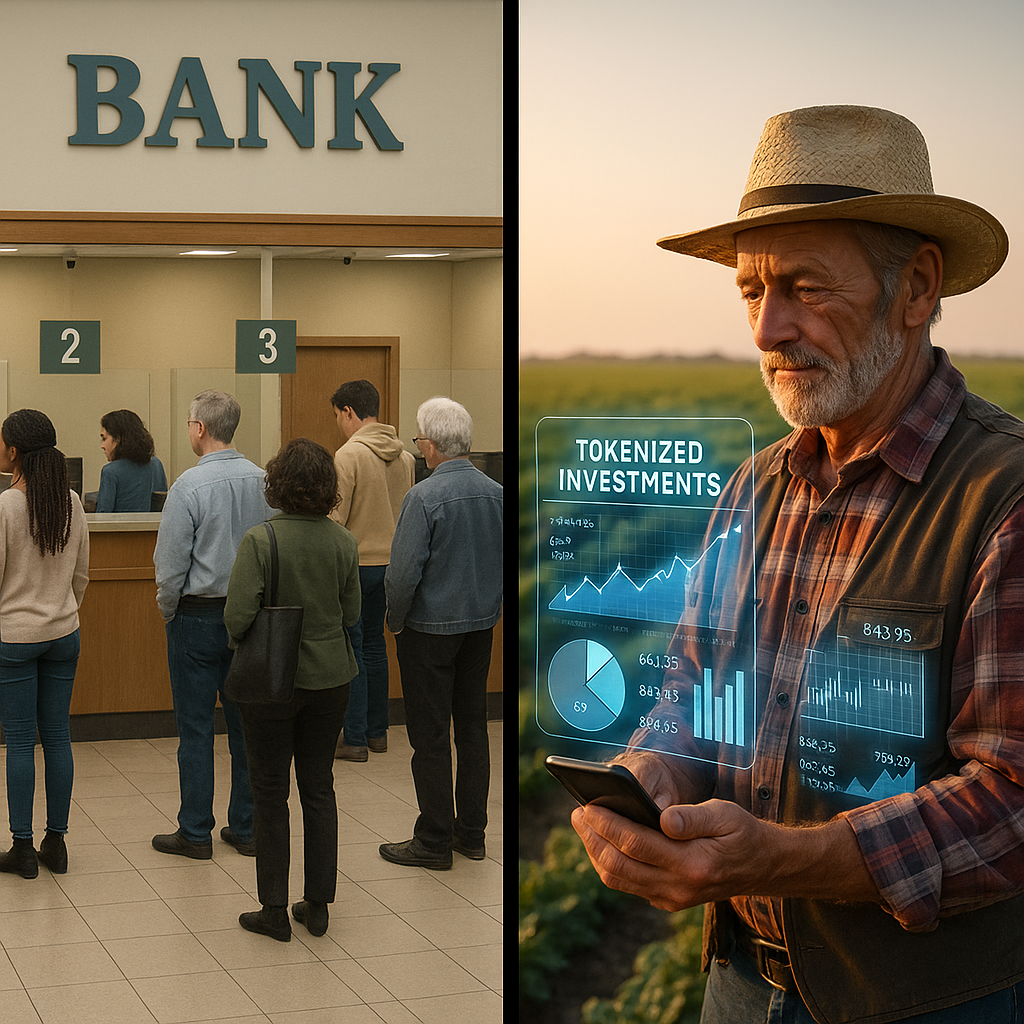
The financial landscape is undergoing its most radical transformation in centuries. From the rise of decentralized digital currencies to AI-powered wealth management, the way we save, invest, and grow money is being completely reimagined. For individuals, this shift means greater financial inclusion with more people than ever that can access investment opportunities that were once reserved for the wealthy. For businesses, it means smarter, faster, and more transparent transactions. And for economies, it could lead to more stable growth by reducing corruption, inefficiency, and barriers to entry.
In this deep dive, let us explore the seven biggest trends shaping finance’s future, how they’ll impact everyday consumers and investors, and what you can do today to stay ahead.
- --
1.The End of Traditional Banking? The Rise of Decentralized Finance (DeFi)
What’s Changing?
- Traditional banks are losing ground to blockchain-based financial systems that don’t require intermediaries. - Smart contracts now automate loans, insurance, and investments without banks taking hefty fees.
Why It Matters
- Lower costs: Sending money across borders could soon be as cheap as sending a text. - Faster transactions: No more waiting days for approvals—DeFi settles in minutes.
What You Should Do
- Experiment with crypto wallets (e.g., Trust Wallet, MetaMask). - Watch for Nigerian DeFi platforms that comply with regulations.
- --
2. AI and Automation: Your Personal Financial Assistant
What’s Changing?
- AI chatbots (like ChatGPT for finance) can now analyze spending habits, suggest budgets, and even automate investments. - Robo-advisors (e.g., Betterment, local fintech apps) build and manage portfolios with zero human input.
Why It Matters
- Smarter decisions: AI crunches data to find the best investment opportunities. - 24/7 financial guidance: No need to wait for a human advisor.
What You Should Do
- Try AI-powered budgeting apps (e.g., Cowrywise, Piggyvest). - Let algorithms handle small investments first before going all-in.
- --
3. The Tokenization of Everything (Real-World Assets on Blockchain)
What’s Changing?
- Farmland, real estate, and art are being converted into digital tokens, allowing fractional ownership. - Example: Instead of buying a whole property, you can own 5% of a Lagos apartment via blockchain.
Why It Matters
- Liquidity: Sell your “farm tokens” anytime instead of waiting for harvest. - Accessibility: Invest in high-value assets with small amounts.
What You Should Do
- Watch for Nigerian SEC-regulated tokenized assets. - Start small with fractional agro-investments on platforms like Reapvest.
- --
4. Embedded Finance: Money Moves Invisibly
What’s Changing?
- “Buy Now, Pay Later” (BNPL): Apps like Carbon and Opay offer microloans at checkout. - Invisible payments: Your car could pay for its own fuel via IoT sensors.
Why It Matters
- Frictionless transactions: Paying becomes as easy as scrolling. - New business models: Farmers could get paid automatically when crops are sold.
What You Should Do
- Use mobile money apps (Reapvest) for everyday transactions. - Explore BNPL options for business inventory.
- --
5. Climate-First Investing
What’s Changing?
- ESG (Environmental, Social, Governance) investing is booming. - Carbon credits: Companies (and individuals) can invest in reforestation projects.
Why It Matters
- Profit + purpose: You can earn returns while fighting climate change. - Regulatory push: Governments are incentivizing sustainable investments.
What You Should Do
- Look into Reapvest’s eco-friendly agro-projects. - Consider solar energy investments for long-term gains.
6. Hyper-Personalization (Finance Tailored to You)
What’s Changing?
- AI analyzes your behavior to offer custom insurance, loans, and investments. - Example: If you’re a farmer, your app might suggest drought-resistant crop funds.
Why It Matters
- No more one-size-fits-all financial products. - Better risk management: Products adapt to your real needs.
What You Should Do
- Opt into personalized fintech services. - Share (secure) data for better recommendations.
7. The Cashless Revolution Goes Rural
What’s Changing?
- Digital naira (eNaira) adoption is expanding to rural areas. - USSD banking: Even feature phones can now access banking services.
Why It Matters
- Farmers can receive payments instantly without middlemen. - Reduced fraud: Digital trails make theft harder.
What You Should Do
- Educate others on mobile money safety. - Support local fintech literacy programs.
Conclusion: How to Prepare
The future of finance is decentralized, automated, and inclusive. To stay ahead:
1.Experiment with one new tech (e.g., crypto, robo-advisors).
2.Diversify into agro, DeFi, and reapvest.
3.Educate yourselfby following fintech news and regulations.
🚀Explore Reapvest’s investment opportunities today!
